Intrinsically Disordered Proteins
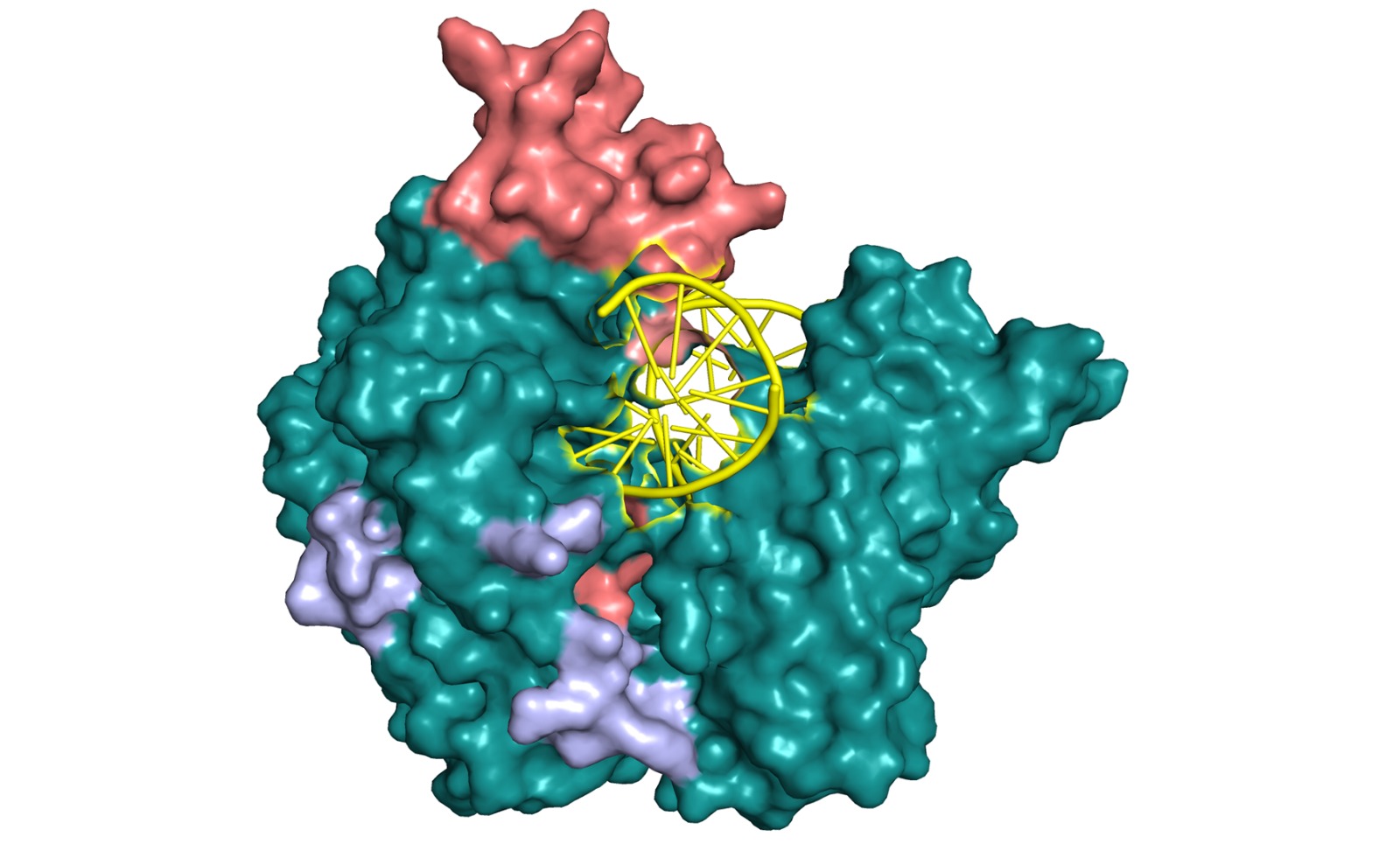
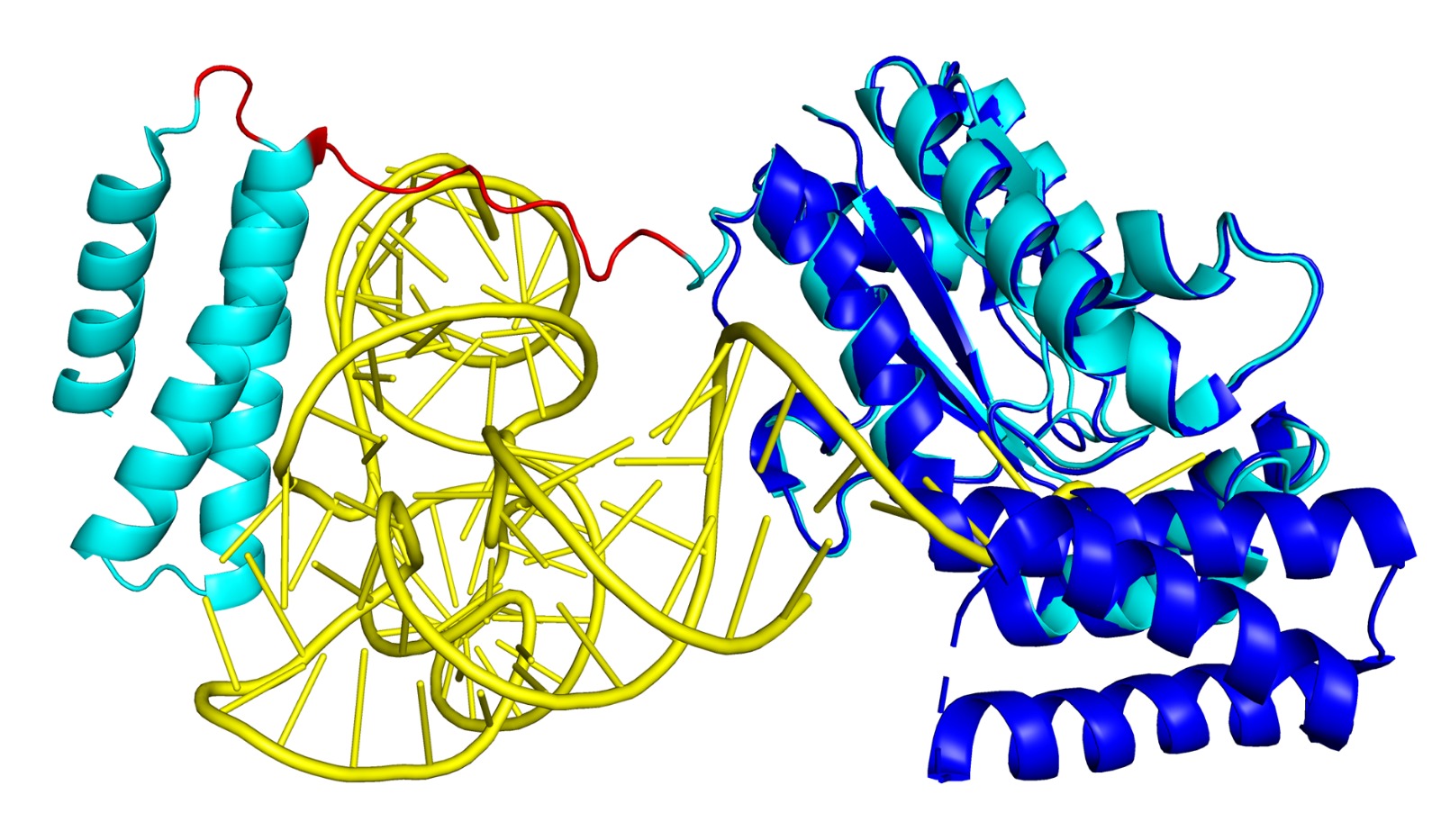
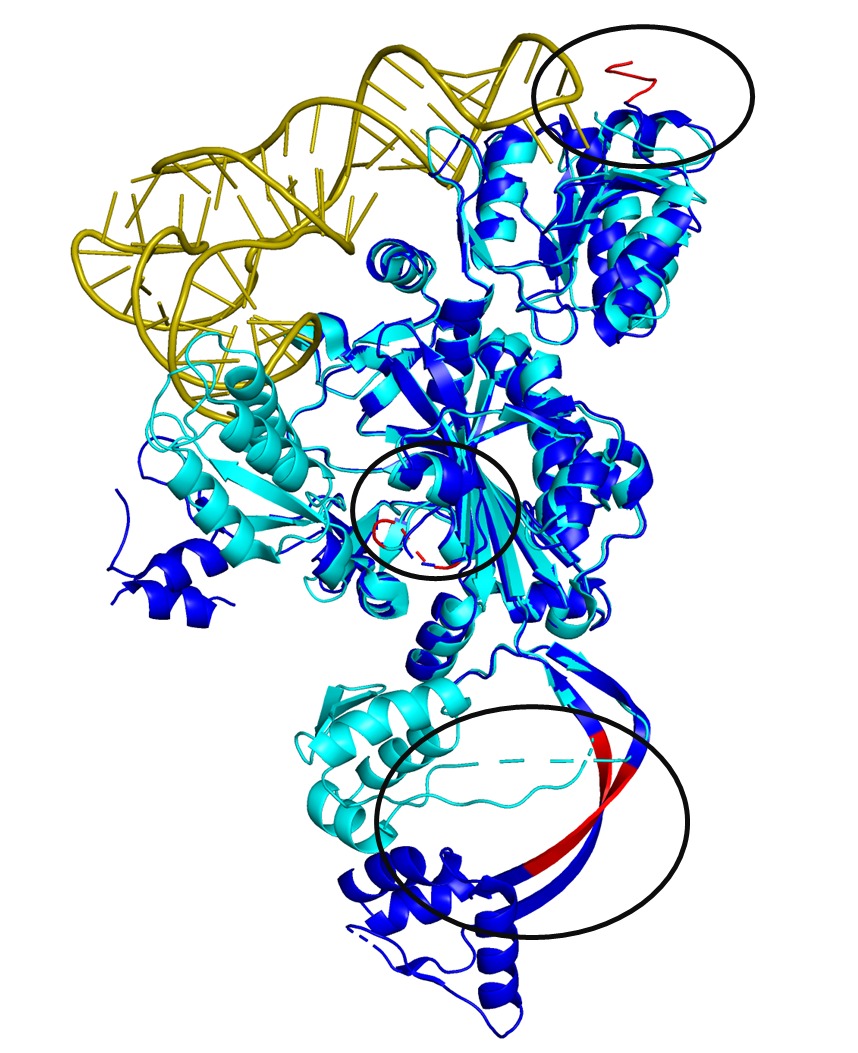
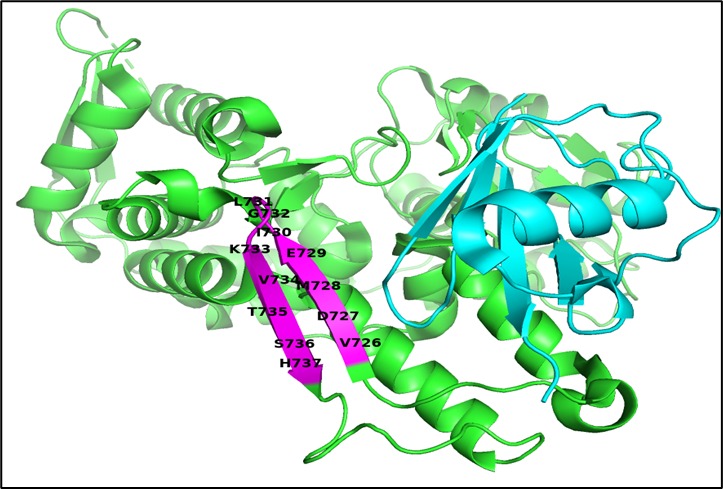
IDPs are characterized by structural flexibility and conformational heterogeneity, existing as dynamic ensembles of interconverting structural states. Their ability to engage in diverse interactions allows them to act as central hubs connecting multiple cellular pathways and regulatory networks.
About ProDI-DB
ProDI-DB is a comprehensive database for structurally characterised interactions involving intrinsically disordered proteins (IDPs). The database integrates disorder annotations, interaction datasets, sequence-derived physicochemical features, and binding partner information curated and analysed from multiple biological resources.
The database classifies interactions of experimentally verified IDPs with diverse macromolecular partners such as proteins, RNA, DNA, and nucleic acid hybrids, along with interactions involving small molecules and other non-polymer entities. ProDI-DB also provides information related to disorder regions, structural complexes, associated protein features and downloadable datasets through a searchable interface.
By integrating sequence, structural, and physicochemical information within a single platform, ProDI-DB supports the studies of disorder-associated molecular recognition and interaction behaviour.
Browse to explore protein entries, interaction categories, structural complexes, and curated datasets related to IDPs.
Key Features
Curated Database
Integrated entries covering IDP binding interactions sourced from published literature, established resources and experimentally derived data
Multi-Accession Search
Search by ProDI-DB, UniProt, DisProt, or PDB accession codes to quickly retrieve relevant IDP entries.
Browse by Annotations
Explore data organized across multiple sheets covering different binding modes, partners, and structural annotations.
If you use ProDI-DB in your research, please cite: ProDI-DB: A Database of Intrinsically Disordered Protein Binding Modes, NIT Durgapur Bioinformatics Lab, 2026.